
Insight
Moving to Texas? Why the San Antonio–New Braunfels Corridor Belongs on Your List
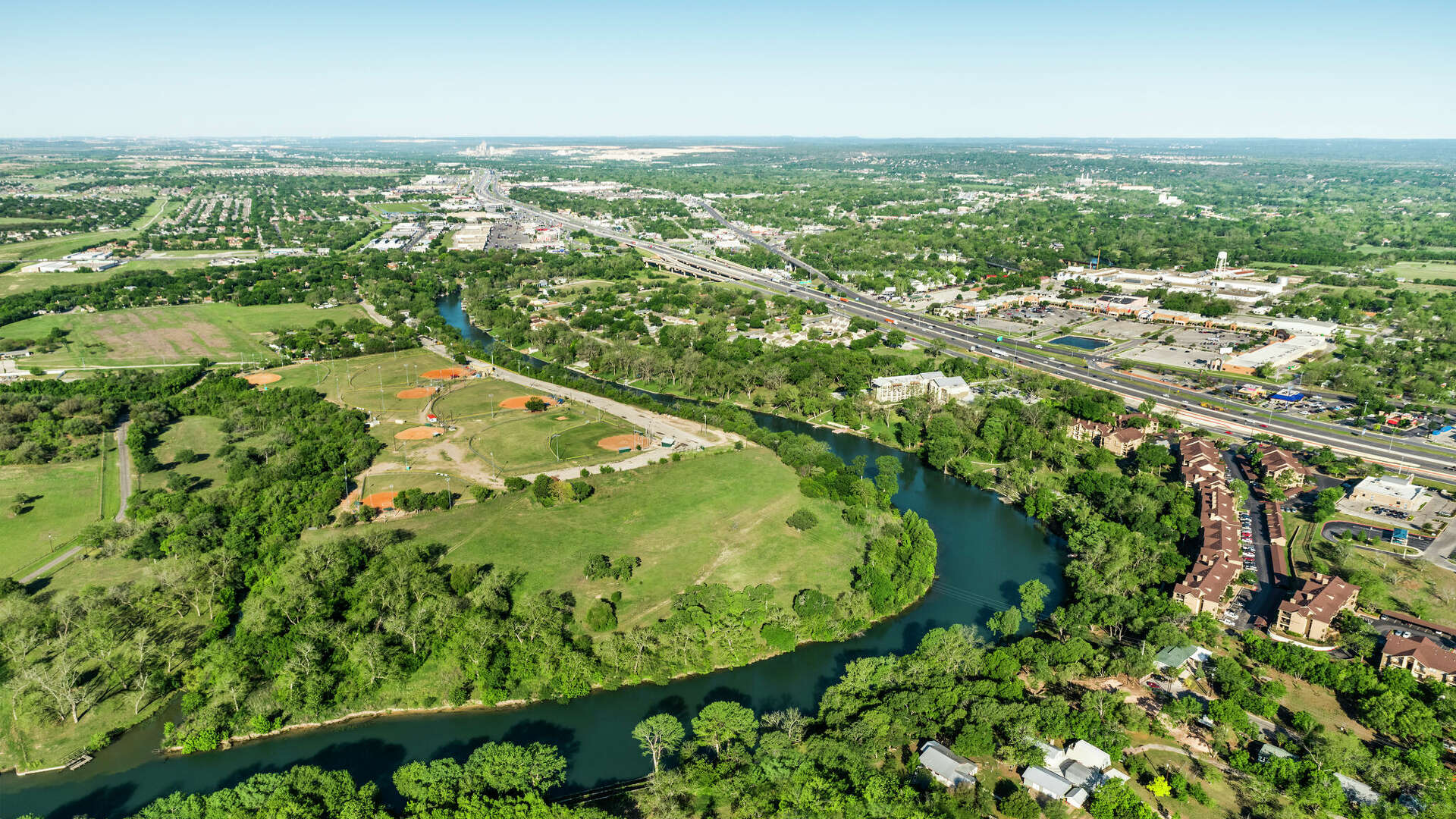
If you are moving to Texas this year, you are in a very large group of people making the same decision, and the hardest part is not deciding on the state. It is deciding where in it to land.
Texas is enormous, and the difference between two metros three hours apart can be bigger than the difference between two states elsewhere in the country. So this guide skips the broad pitch and gets specific about one part of the state that deserves more attention than it gets: the corridor running between San Antonio and New Braunfels. If you are moving to Texas from out of state, it may be the most underrated landing spot on the map.
The numbers behind moving to Texas, including the part most articles skip
Texas added 391,243 residents between July 2024 and July 2025, more than any other state for the third year running, bringing the total to 31.7 million. National growth over that period slowed to 0.5 percent; Texas grew at 1.2 percent.
Here is the part you won’t read in most relocation guides: Texas growth has cooled considerably from its peak. The state ranked fourth in growth rate rather than first, and the number of people arriving from other states dropped sharply. Roughly 67,000 Americans moved to Texas from elsewhere in the country in 2025, which put Texas behind North Carolina on that measure.
We would rather tell you that than sell you a stampede. The honest version is more useful anyway, because it changes the question. The story in 2026 is not how many people are moving to Texas. It is where inside Texas they are landing. On that, the Census Bureau is direct. Among the largest metro areas, the fastest-growing counties are on the outer edges, a pattern the bureau describes as especially pronounced in Texas.
The San Antonio–New Braunfels metro is one of the clearest examples. It added roughly 230,000 people between April 2020 and July 2025, reaching about 2.8 million, with the majority of that growth coming from Americans relocating from within the country. Comal County, on San Antonio’s northern edge, has grown faster in percentage terms than Bexar County itself.
The reasons people give for moving to Texas are consistent: no state income tax, a broad job market rather than a single dominant industry, and housing that costs less than the metros most transplants are leaving. The reason they end up in this corridor specifically is that it offers those things without putting them in the middle of a major city, unless a major city is what they want.
San Antonio and New Braunfels are not the same decision
This is the part most relocation guides get wrong. They treat the metro as one market. It is two very different places, and choosing between them is the actual decision in front of you.
San Antonio is a major city with everything that implies: a large employment base, a deep restaurant and arts scene, major medical systems, and a downtown that is in the middle of significant investment. The cost of living argument is real; median home prices in Bexar County run well below Travis County to the north. If you want urban density, walkable city neighborhoods, and the widest job market, this is your side of the corridor.
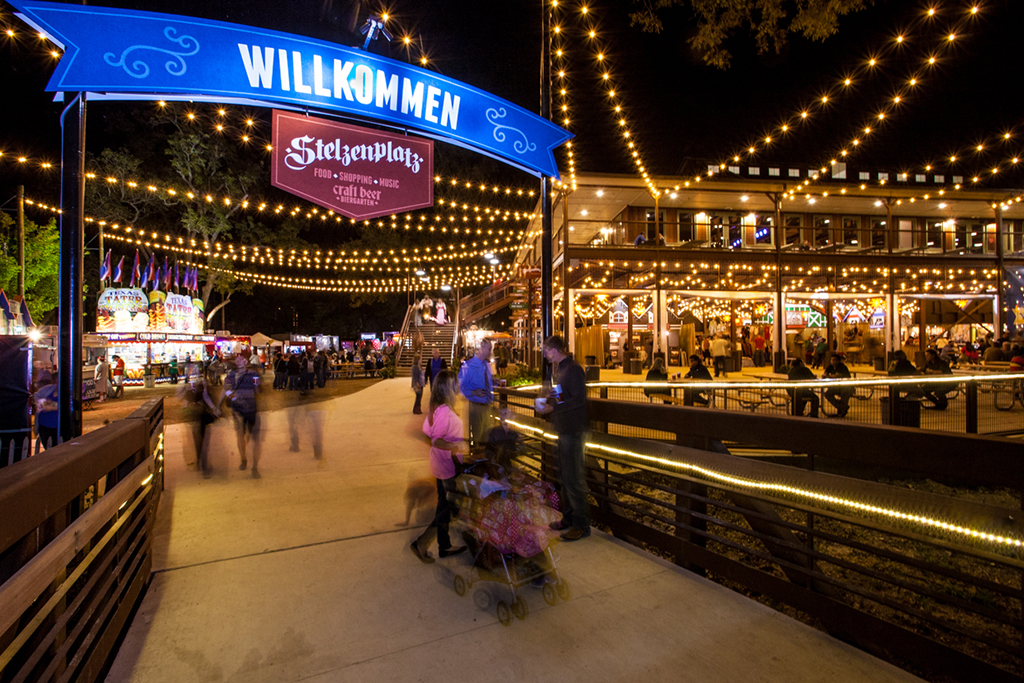
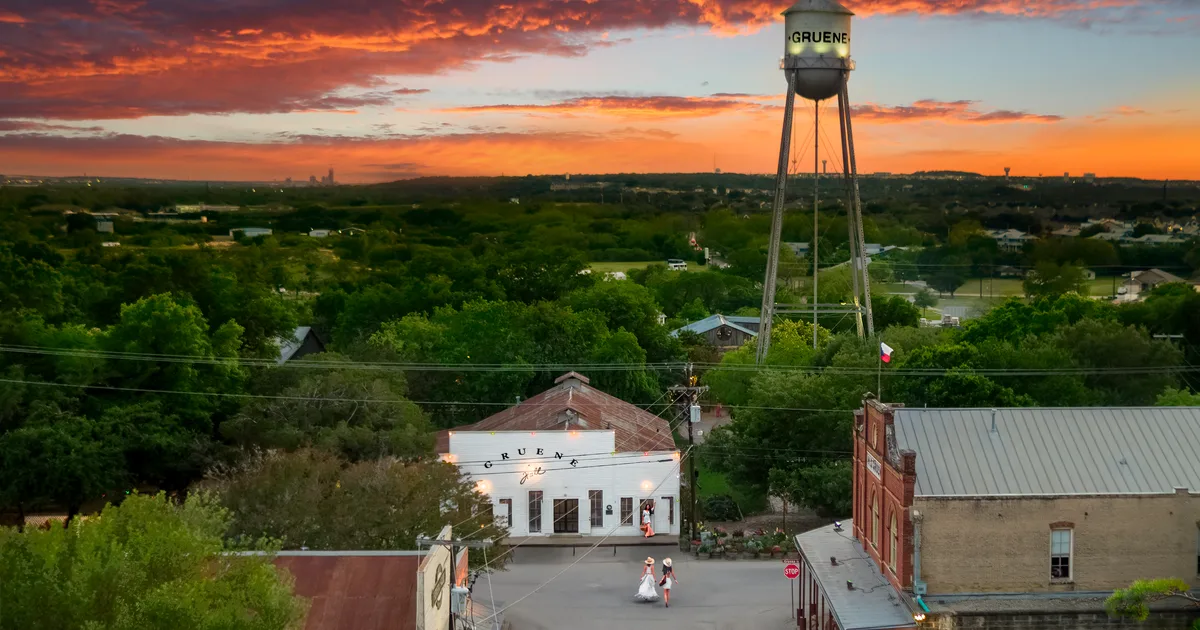
New Braunfels is a different proposition. It is a historic German-settled town of about 100,000 with the Comal and Guadalupe rivers running through it, a downtown plaza that still functions as a town center, and Gruene up the road. It is not a suburb of San Antonio in the way the map implies; it has its own identity, its own school districts, and a distinct rhythm. People who choose New Braunfels are usually choosing the town, not the commute.
Both sit on the same interstate. They are not interchangeable.
What surprises people moving to Texas from out of state
Property taxes work differently here. This is the single biggest surprise for people moving to Texas. The state has no state income tax, and property taxes carry more of the load as a result. Budget on the full monthly payment including taxes and insurance, not the principal and interest figure. If you are arriving from a state with income tax, the total picture usually still favors Texas; it just arrives in a different envelope.
File your homestead exemption. Texas voters approved Proposition 13 in November 2025, raising the school district homestead exemption from $100,000 to $140,000 beginning with the 2026 tax year. The Comptroller now lists the school district exemption at $140,000, with taxing units able to adopt an additional local option of up to 20 percent of appraised value. Homeowners 65 and older or with a qualifying disability receive more on top of that under Proposition 11. This applies to your primary residence only, and you file once.
Ask about special districts. Some newer Texas communities sit inside a Municipal Utility District or Public Improvement District that adds an assessment on top of county, city, and school taxes. This is disclosed by law before you sign, but you should ask early rather than discover it on your loan estimate.
You will need a car. Outside a handful of city neighborhoods, daily life here is car-oriented, which catches out plenty of people moving to Texas from transit cities. If walkability matters to you, look specifically for it rather than assuming it.
Schools are set by address, not by city. New Braunfels is split between Comal ISD and New Braunfels ISD, and the boundary does not follow a clean line. Two homes on the same street can feed different schools. Confirm the zone for the specific address before you fall in love with a house.


A practical order of operations
Most people moving to Texas underestimate how long the process takes. A workable sequence:
- Narrow the geography before the house.Pick your side of the corridor first. Everything else follows from that.
- Get a local lender's estimate early.Ask for the full monthly payment with taxes and insurance for the specific area you are considering, not a state average.
- Visit in the summer.July is the honest month, and anyone moving to Texas should see one before committing. If you can enjoy a Texas summer, the other nine months will not surprise you.
- If you are looking at new construction, incentives and rate buydowns are usually a bigger lever than list price.
Where Wes Peoples Homes fits
We build on both sides of this corridor, which is a useful vantage point for anyone weighing the two.
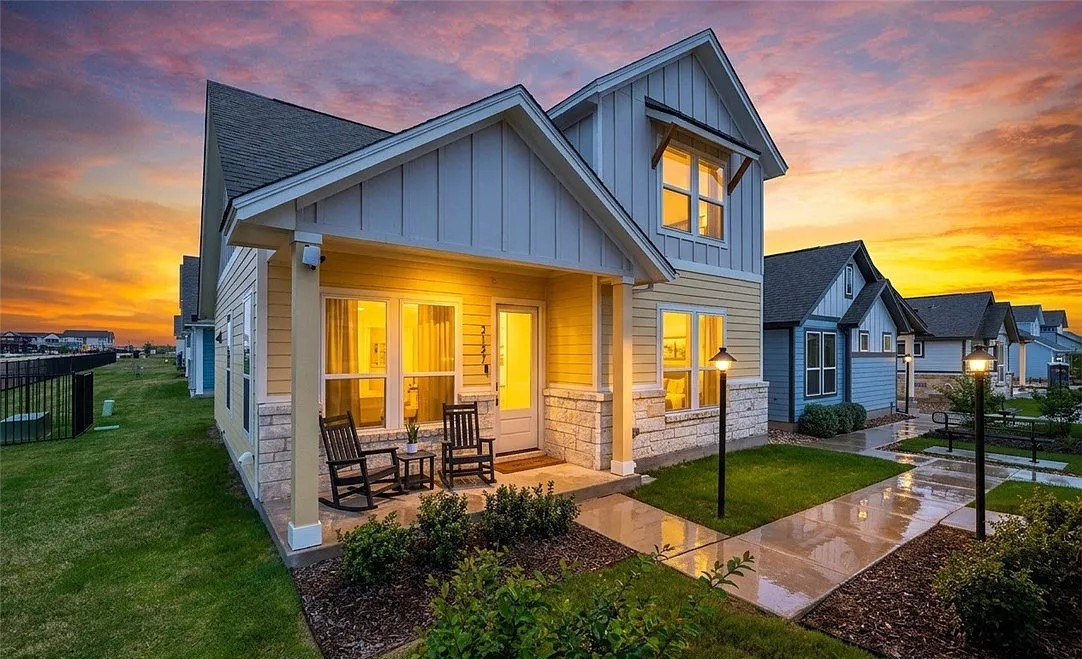
In New Braunfels, Town Creek sits within walking distance of the historic downtown district, and Garten Haus is a community of cottages in the Creekside area, close to shopping, dining, and quick access to I-35. In San Antonio, Victoria Commons is in the Southtown neighborhood just south of downtown.
If you are moving to Texas and still deciding where to land, we are happy to talk through the differences honestly, including the cases where one of our communities is not the right answer for you.
Thinking about a move to Central Texas?
We build in New Braunfels and San Antonio, and we are glad to talk through which side of the corridor actually fits how you want to live.